My employer during this time, received sponsorship for 3,000 kg of acrylic glass for a major project at the University of Pennsylvania. During production, however, we realised that we only needed two-thirds of it. I therefore seized the opportunity to ask if I could have the remaining acrylic for my own project. This may sound interesting, but I spent more than a month polishing acrylic glass full time for this project.
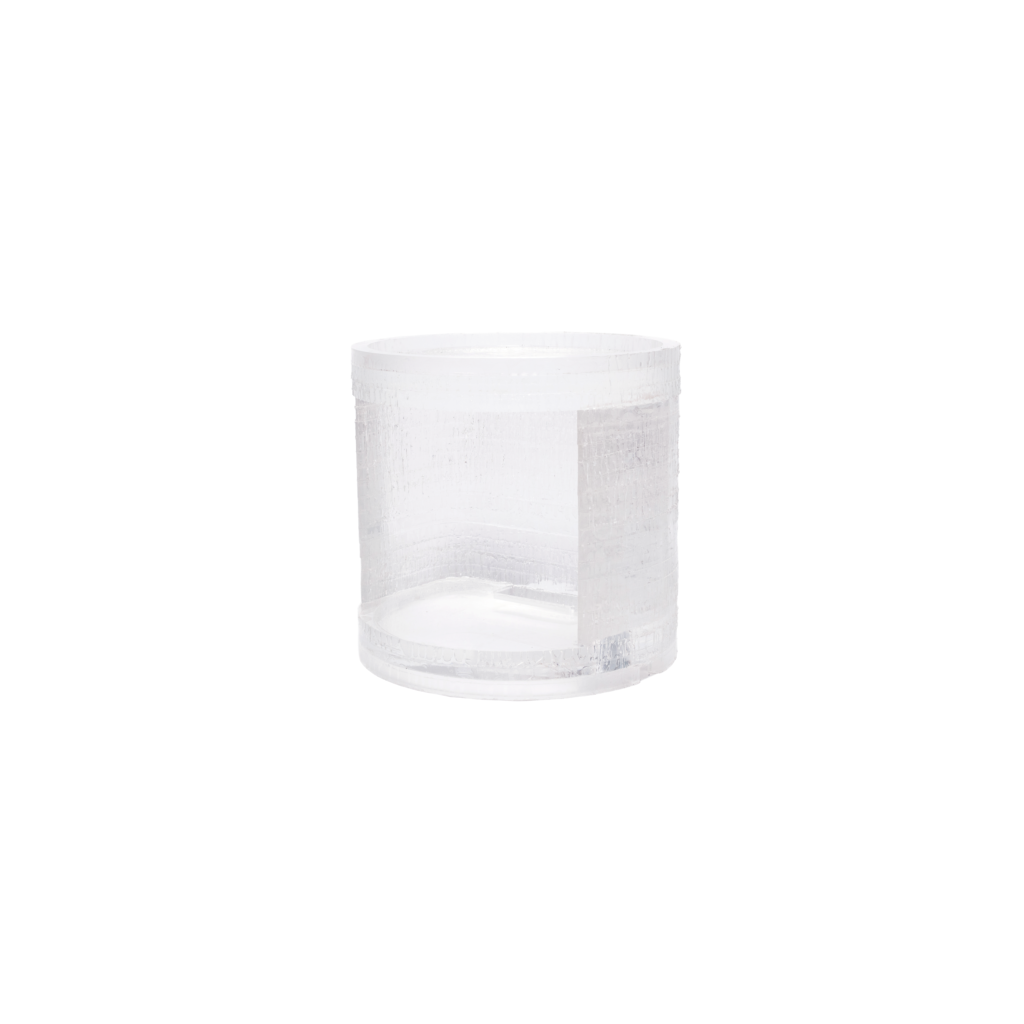
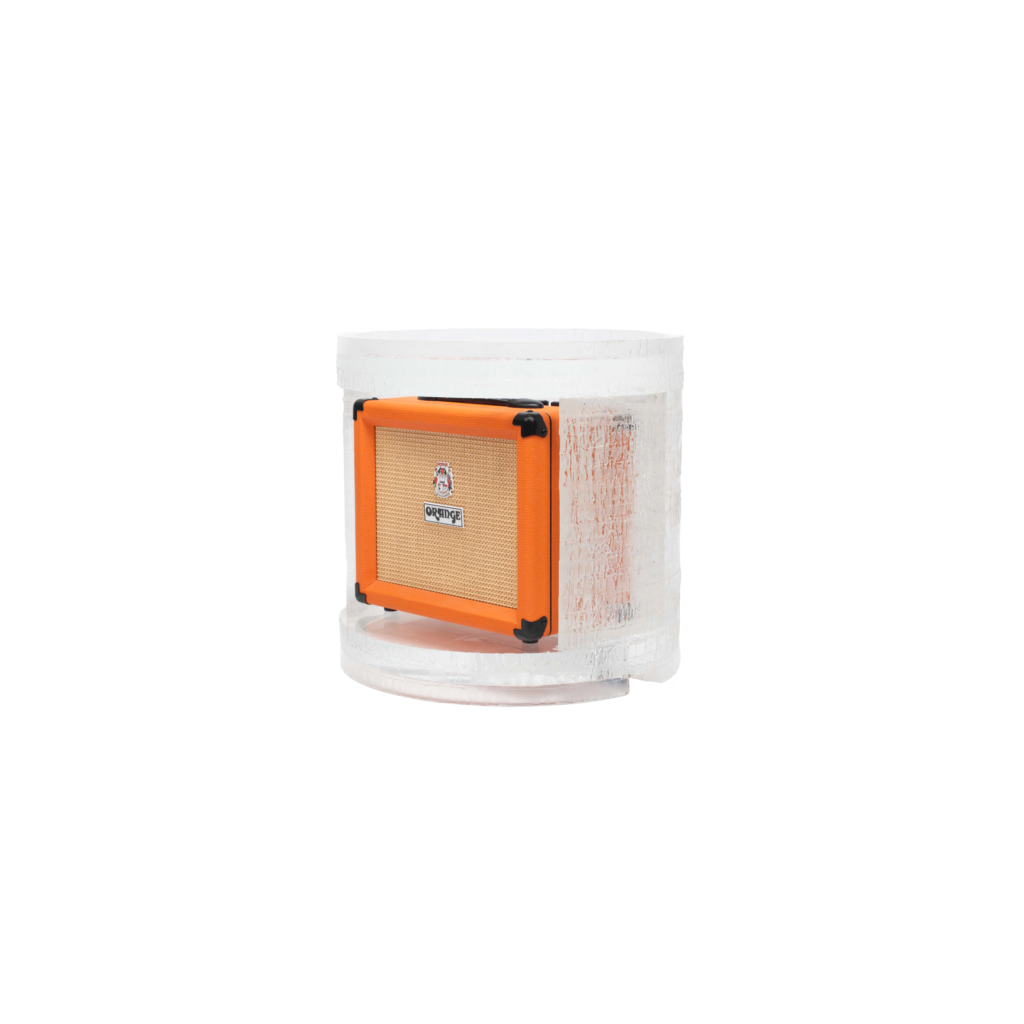
In my free time, I play the electric guitar with an Orange Crush 20 as my amplifier. Thinking of building a shelf for it, I decided to combine the spare acrylic with this idea. The sponsored acrylic came in sheets measuring 1500x1000x25 mm. I wasn’t sure how to connect the individual sheets to achieve the desired height. Although inserting threaded rods and drilling holes was an option (which I later used for another project), I wanted the acrylic to be translucent so that natural light could pass through each layer, so bonding was the only way.
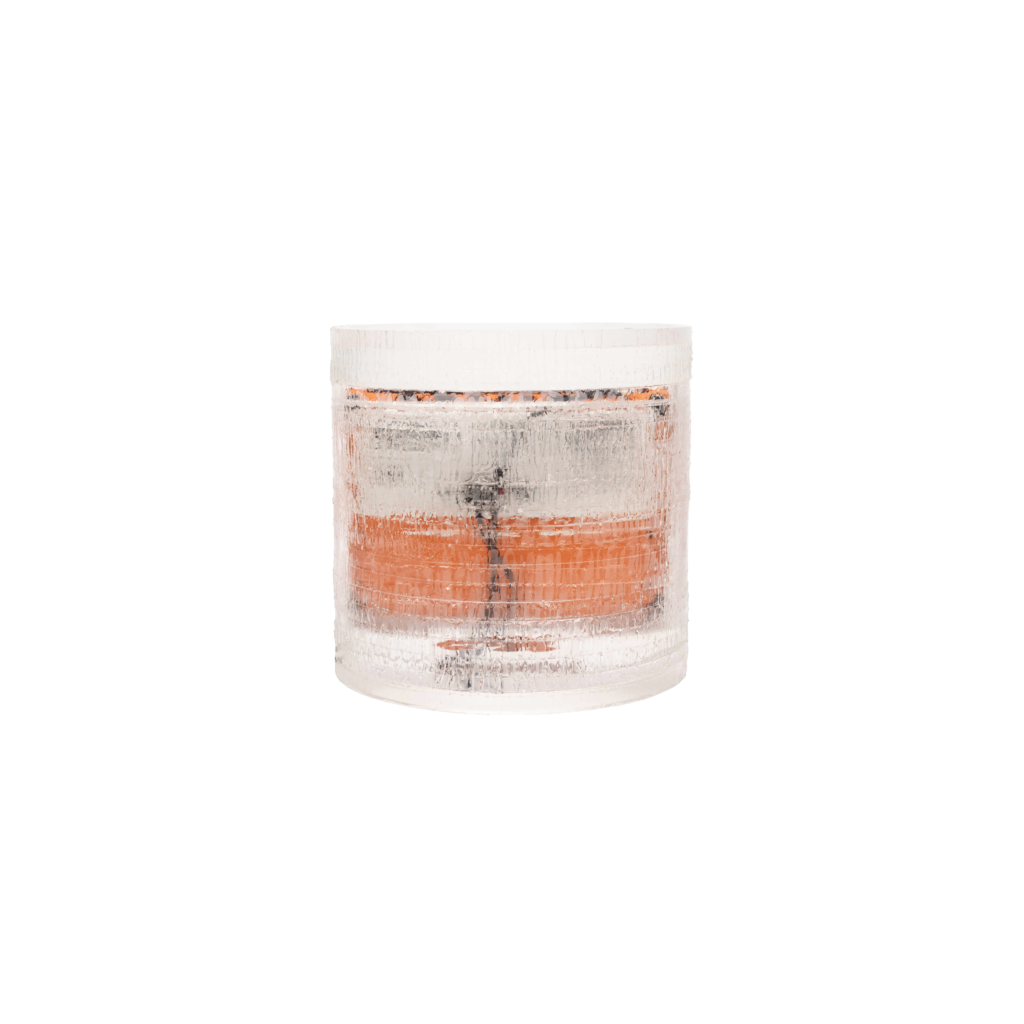
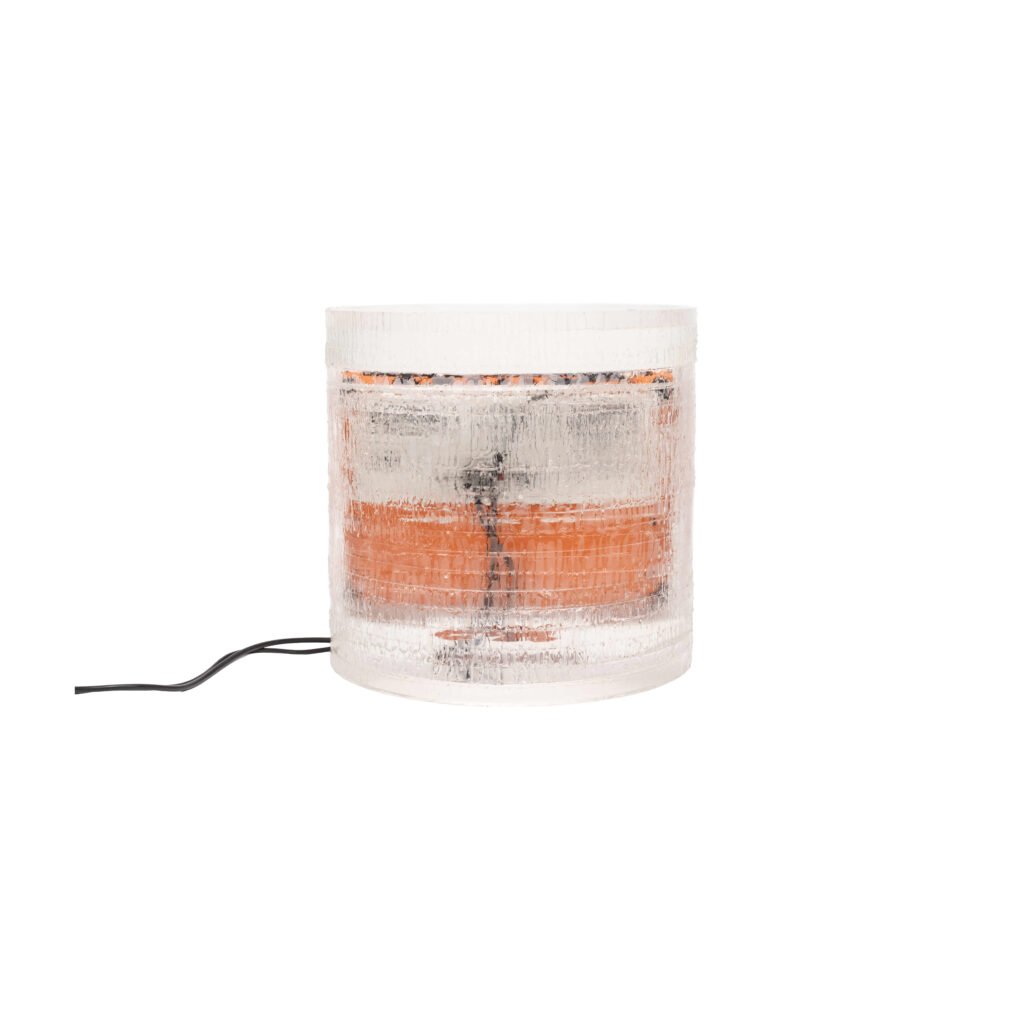
However, after bonding all the parts, significant adhesive residue remained on the sides. Initially, I had planned to polish the entire surface to make it completely transparent. However, when I saw light shimmering through the melted edges of the shelf, I decided to preserve the organic shell. One downside of this solidity is its weight: at 38 kg, it was difficult to move around. As with the polyurethane sculpture, I wouldn’t do this again, but the effect of the light creating this seemingly melting look is something to keep in mind.